Human Technopole logo Glastonbury Group Human Technopole

Fondazione Human Technopole · Milan

Glastonbury Group

The Glastonbury Group applies and develops machine learning methods to understand the genetic basis of a range of complex diseases. With the advent of population scale biobanking, rich data modalities are being collected on hundreds of thousands of individuals. One such data type is imaging data, a high dimensional and information rich modality for human phenotyping.

  • Histopathology & whole slide imaging
  • Spatial transcriptomics
  • Clinical records
  • Biobank cohorts

Approach

From a stained slide to a variant

The Glastonbury Group is interested in applying machine learning techniques to any aspect of human genetic discovery (Variant → Gene → Phenotype). One of the key focuses the Glastonbury Group has is to extract cellular and disease mechanism phenotypes from histopathology images. Whole Slide Imaging (WSI) of tissue sections are routinely used to diagnose a range of diseases, such as Inflammatory Bowel Disease (IBD), various oncologies as well as neurological diseases post-mortem. By using both supervised and unsupervised machine learning techniques, it is possible to extract highly precise cellular and tissue phenotypes from such images and use them to characterise the cause and consequence of an underlying disease. By coupling such image derived phenotypes with genetic information (e.g. genotyping, exome, whole genome-sequencing), we can start to unpick mechanistically how a genetic variant contributes to increasing disease risk and how such risk is shared across diseases and phenotypes.

  1. Variant

    Genotypes, exomes and whole genomes across biobank-scale cohorts.

  2. Gene

    Prioritisation that says which gene at a locus is actually doing the work.

  3. Phenotype

    Cell and tissue measurements learned from images, not read off a label.

Research

Research Topics

Representation

Unsupervised, self-supervised and supervised methods, developed for and applied to large-scale biomedical imaging datasets.

Phenotype

Phenotypes learned directly from clinical data and imaging, without waiting for someone to define the label first.

Association

Development of scalable methods and pipelines for rapid GWAS and gene prioritisation.

People

Craig Glastonbury

Craig Glastonbury

Group Leader

Dr Craig A. Glastonbury holds a PhD in computational biology from King’s College London (2013–2017). Before joining Human Technopole as a Research Group leader (06/2022), Craig was a lead machine learning researcher at the drug discovery company BenevolentAI (2019–2022) and a Postdoctoral research fellow at the University of Oxford (2017–2019).

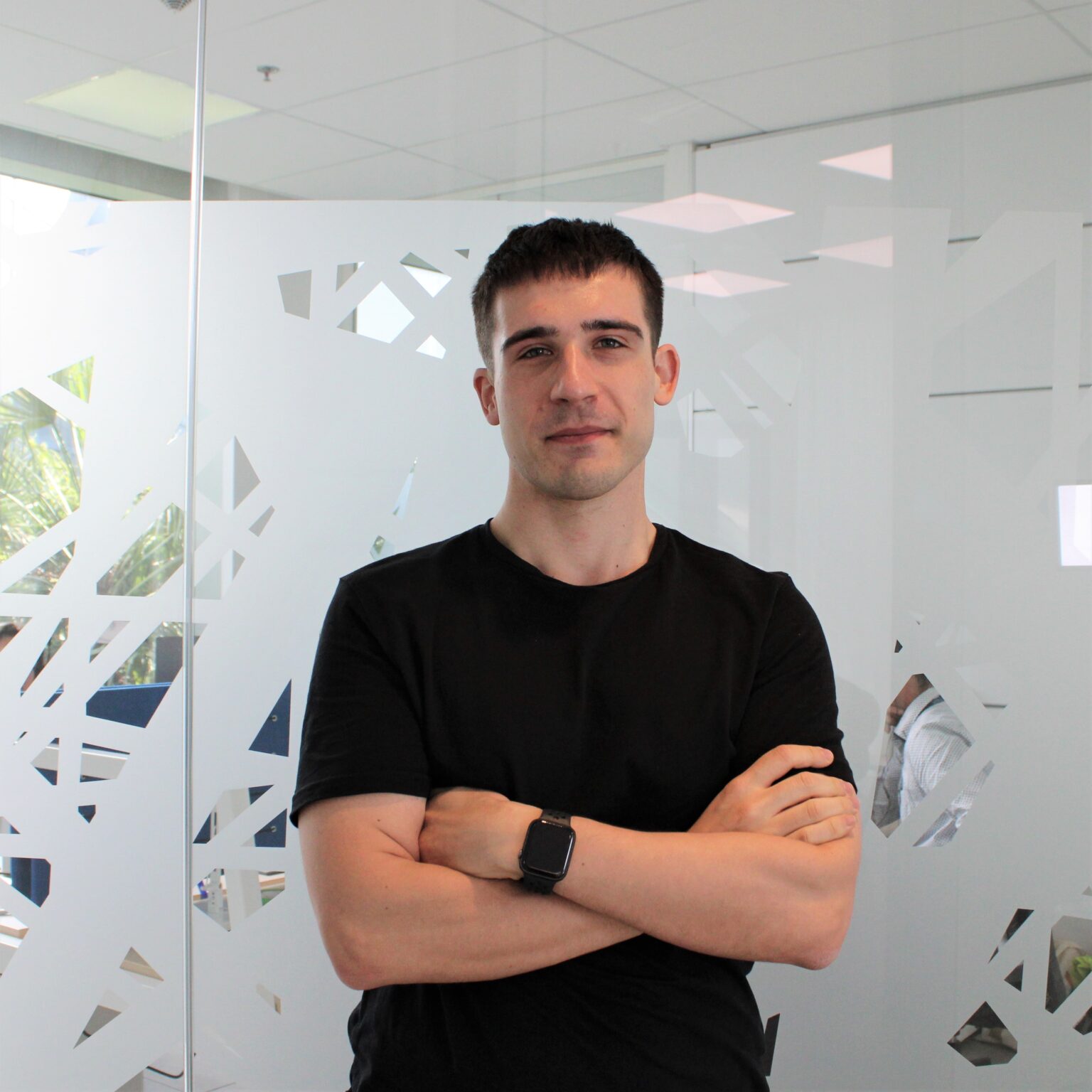
  • Soumick Chatterjee

    Soumick Chatterjee

    Postdoc

  • Andrea Mariani

    Andrea Mariani

    Postdoc

  • Emanuel Soda

    Emanuel Soda

    PhD student

  • Giuditta Clerici

    Giuditta Clerici

    PhD student

  • Alex Shavick

    Alex Shavick

    PhD student

  • Carlo Manenti

    Carlo Manenti

    PhD student

  • Emma Walker

    Emma Walker

    PhD student

  • Elena Lippolis

    Elena Lippolis

    Postgraduate intern

Alumni

  • Francesco Cisternino PhD, 2022–2026 Now Computational Biology Research Scientist at Bristol Myers Squibb
  • Emanuele Bianchi Bioinformatics Intern, 2023-2024 Now PhD student at kresk, Lisbon
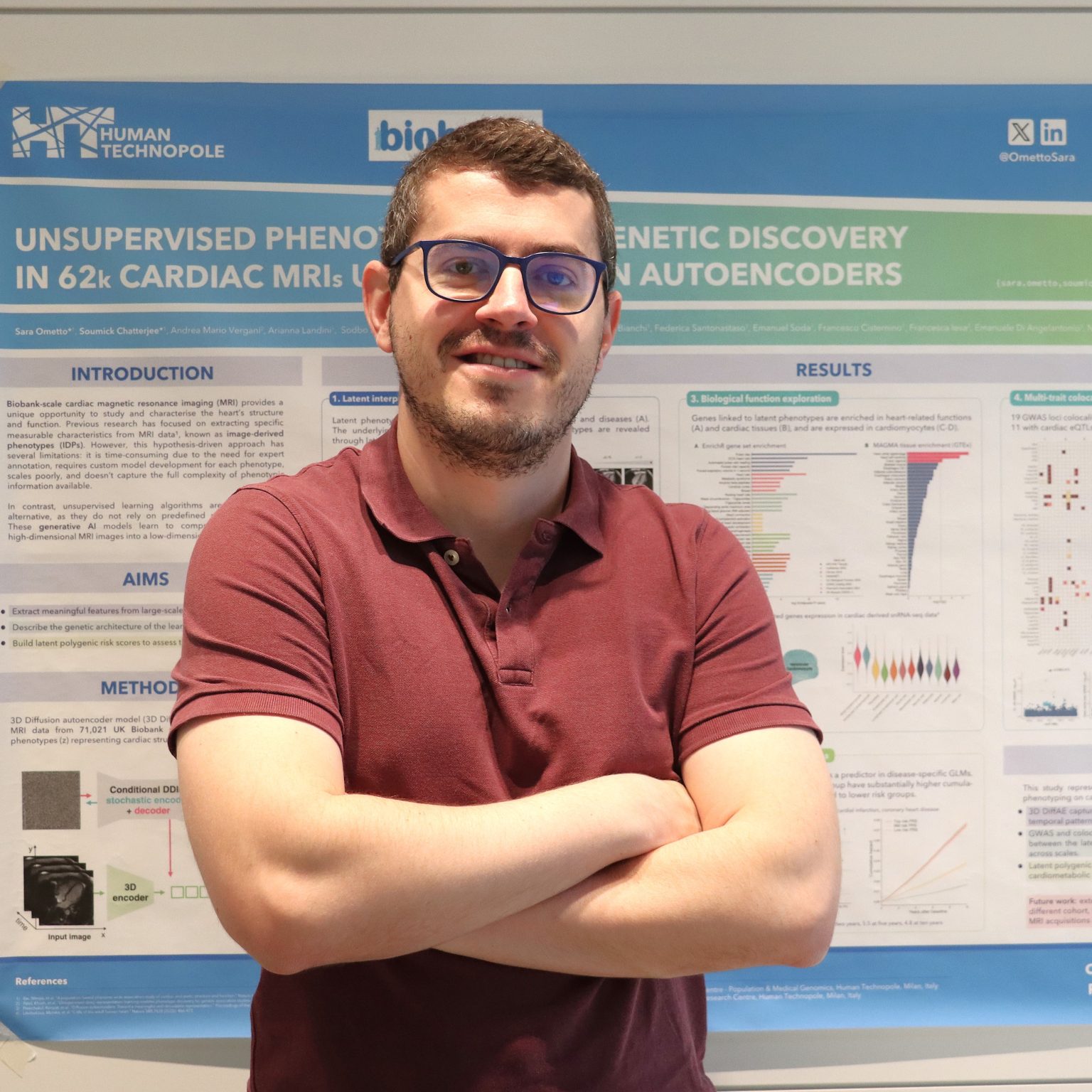
  • Sara Ometto Bioinformatics Intern, 2023-2024
    Bioinformatician, 2024–2026
    Now Translational data science researcher @ CHUV, SpaXio MSCA DC
  • Emma Didelon Bioinformatics Intern, 2025-2026 Now Bioinformatician at San Raffaele Telethon Institute for Gene Therapy

Retreats

Group Retreats

Contact

Get in touch

For questions about our research or possible collaborations, write to Craig.

email

Open positions

PhD · Open

PhD — GI organoids for understanding inflammatory and metabolic diseases

The Glastonbury Group uses functional genomics and single-cell technologies to map genetic risk variants (GWAS/Exome) to specific cell types, target genes, and disease mechanisms. By combining digital pathology, spatial transcriptomics (e.g., Xenium, Multiome), and patient-derived GI organoids, this project aims to:

  • Enteroendocrine Cell (EEC) Biology: Mapping EEC patterning along the GI tract and their role in metabolic diseases.
  • IBD Effector Genes: Dissecting epithelial and mucosal gene networks involved in Inflammatory Bowel Disease.
  • Functional Genomics: Validating hits using single-cell profiling (Flex, Multiome), spatial imaging (Xenium), and high-throughput CRISPR-Cas9 screens.

Start
27/10/2026
Deadline
30/11/2026
Details & how to apply →

PhD · Open

PhD — Understanding the genetic basis of complex disease through the lens of machine learning and spatial transcriptomics

The Glastonbury Group leverages machine learning, digital pathology, and spatial transcriptomics to bridge human genetics (GWAS/Exome) with cell-type-specific disease mechanisms and precision diagnostics. By integrating routine clinical imaging with high-resolution spatial assays, our research focuses on three core themes:

  • Predictive Pathology Models: Building ML models on large-scale whole slide images (WSI) for improved disease staging and prognostic prediction (e.g., predicting IBD hospitalization, quantifying plasma cells in multiple myeloma).
  • Spatial Multimodal Integration: Augmenting routine clinical histology by integrating spatially resolved transcriptomics data (e.g., Visium HD, Xenium).
  • Pathological Mechanisms & Risk Loci: Elucidating shared and unique disease pathways to link cell-specific pathology (e.g., Crohn's disease granulomas) to human genetic risk variants.

Start
27/10/2026
Deadline
30/11/2026
Details & how to apply →

Tissue image UMI counts